
The internet is full of kitchen hacks. Some are genuinely brilliant. Others are clever-looking videos that fall apart the moment you try them at home. These are tricks with real explanations behind them — the kind cooks use every day — plus a few popular ones you can safely skip.
Prep and cutting
1. Stop your cutting board from sliding
Lay a damp paper towel or a damp dish towel flat under your cutting board. The friction keeps it from sliding around, which makes cutting faster and much safer. A sliding board is one of the most common causes of knife slips.
2. Freeze ginger, then grate it
Fresh ginger is fibrous and goes moldy quickly. Store the whole root in a freezer bag, then grate it straight from frozen on a fine grater — no need to peel. Frozen ginger grates into a fluffy, snow-like texture without the stringy fibers.
3. Peel garlic by shaking it
Separate the cloves, put them in a jar with a lid (or between two metal bowls), and shake hard for 10 to 20 seconds. The skins loosen and many cloves pop right out. Fresher garlic peels more easily than old garlic.
4. Cry less when cutting onions
When you cut an onion, damaged cells release compounds that turn into a gas that irritates your eyes. Two things help: a sharp knife, which crushes fewer cells, and chilling the onion for about 30 minutes before cutting, which slows the release of that gas. Leave the root end on until last; it’s where many of those compounds are concentrated.
5. Keep cut apples from browning
Soak apple slices for a few minutes in a solution of about half a teaspoon of salt per cup of water, then rinse. Salt slows the browning enzyme, and a quick rinse means you won’t taste it. Lemon juice also works, but it changes the flavor.
Rescue and revive
6. Bring stale bread back to life
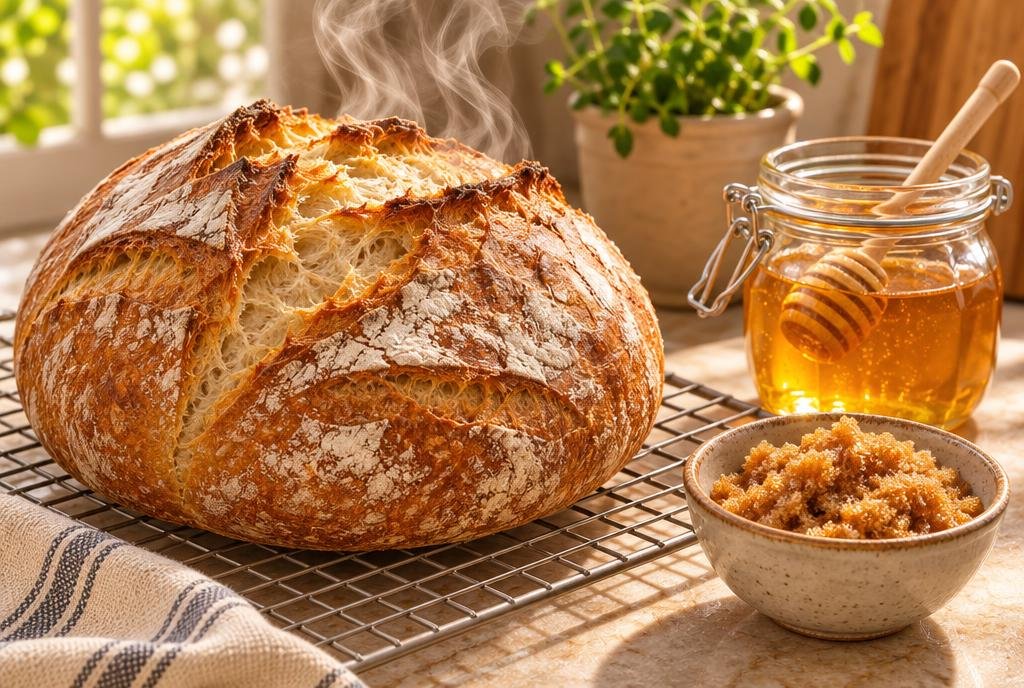
A crusty loaf that’s gone hard isn’t a lost cause. Run the whole loaf quickly under the tap so the crust is wet (not soaked through), then bake it directly on the oven rack at about 300°F (150°C) for 6 to 12 minutes, depending on size. The water turns to steam and softens the interior, while the crust crisps up again. Eat it soon after — the revival is temporary.
7. Soften hard brown sugar
Brown sugar hardens when its moisture evaporates. To fix it fast, put it in a microwave-safe bowl, cover it with a damp paper towel, and microwave in 20-second bursts until soft. To fix it overnight, seal it in a container with a slice of bread; the sugar absorbs moisture from the bread. To prevent it, store brown sugar in an airtight container.
8. Decrystallize honey
Crystallized honey isn’t spoiled. Place the jar in a bowl of warm (not boiling) water and stir occasionally until it turns liquid again. Avoid microwaving plastic honey bottles.
9. Fix a broken or split sauce
If a butter sauce or mayonnaise separates into greasy liquid, whisk a tablespoon of warm water (for butter sauces) or a fresh egg yolk (for mayo) in a clean bowl, then slowly whisk the broken sauce into it a little at a time. It will usually come back together.
Eggs
10. Use older eggs for hard-boiling
Very fresh eggs are notoriously hard to peel. As eggs age, the white becomes more alkaline and the air pocket grows, so the membrane sticks less to the white. Eggs that have been in your fridge for a week or two peel much more cleanly.
11. Shock them in ice water
Move boiled eggs straight into a bowl of ice water for several minutes. It stops the cooking (avoiding that green ring around the yolk) and makes peeling easier. Crack the egg all over, then start peeling from the wide end, where the air pocket sits.
12. Understand the float test
Placing an egg in a bowl of water tells you about its age: a fresh egg sinks and lies flat, while an older egg stands up or floats because its air pocket has grown. Floating doesn’t necessarily mean an egg is bad — it means it’s old. If in doubt, crack it into a separate bowl and check for an off smell.
Cooking
13. Let meat rest before slicing
Resting roasted or grilled meat for a few minutes (longer for big roasts) allows juices to redistribute. Slice too early and more juice ends up on the cutting board. Use a thermometer to know when meat is safely cooked rather than cutting into it to check.
14. Pat food dry before searing
Moisture is the enemy of a good brown crust. Pat meat, fish and vegetables dry with paper towels before they hit the pan, and don’t overcrowd it. Crowding drops the temperature and causes food to steam instead of sear.
15. Save a cup of pasta water
Starchy pasta cooking water is a great ingredient. A splash added to your sauce helps it cling to the pasta and gives it a glossy, smooth texture. Scoop out a mug of it before you drain.
Three popular hacks that don’t really work
Myth: A potato fixes oversalted soup
The idea is that a raw potato absorbs excess salt. In practice, a potato absorbs some salty liquid, but it doesn’t meaningfully lower the salt concentration of what’s left. The reliable fix is dilution: add more unsalted liquid or more of the other ingredients, and balance with a little acid like lemon juice or vinegar.
Myth: Leaving the pit in keeps guacamole green
The pit only protects the small area it covers. Browning happens where the avocado touches air. To keep guacamole or cut avocado green, press plastic wrap directly onto the surface or add a thin layer of water or lime juice on top, then pour it off before serving.
Myth: Oil in pasta water stops sticking
Oil mostly floats on top of the water and doesn’t coat the pasta while it cooks. What prevents sticking is using plenty of water, stirring in the first minute or two, and keeping it at a rolling boil. Oiled pasta can also make sauce slide off rather than cling.
A few bonus storage tricks
- Freeze leftover wine, stock or tomato paste in ice cube trays for easy portions later.
- Store ice cream in a sealed freezer bag to reduce freezer burn and ice crystals.
- Wrap celery in aluminum foil in the fridge — many people find it stays crisp longer than in a plastic bag.
- Keep a “use first” bin in the fridge for anything nearing its end so it gets eaten.
Frequently asked questions
Can you refreeze thawed meat?
According to USDA guidance, food thawed in the refrigerator can be refrozen without cooking, though quality may suffer. Food thawed in cold water or the microwave should be cooked before refreezing.
Does salting eggplant remove bitterness?
Modern eggplant varieties are less bitter than older ones. Salting still helps draw out moisture, which can improve texture when frying.
How do I keep cut herbs fresh?
Treat soft herbs like flowers in a jar of water, and wrap hardy herbs in a damp paper towel in the fridge.
