
Walk into any hardware store or scroll through social media and you’ll see plug-in ultrasonic pest repellers promising to drive away mice, roaches, spiders and more — no poison, no traps, no mess. They’re inexpensive and easy, so it’s tempting to buy a few and hope for the best. But do they actually work? Here’s what the evidence says, and what really keeps pests out of your home.
How ultrasonic repellers are supposed to work
These devices emit high-frequency sound, usually above the range most adults can hear. The theory is that the sound is irritating or stressful to pests, so they leave the area or avoid it. Some newer devices vary their frequencies to try to prevent pests from getting used to a single tone, and some add other technologies such as electromagnetic pulses.
What the research says
Regulators have pushed back on the claims
The U.S. Federal Trade Commission has previously warned manufacturers of ultrasonic pest control devices that claims about their effectiveness must be supported by competent and reliable scientific evidence. That doesn’t mean every device is useless, but it’s a sign that marketing has often outpaced proof.
Studies show mixed and often short-lived effects
Researchers at universities have tested ultrasonic devices against a range of pests over the years. The overall picture is mixed: some studies found short-term changes in pest behavior or small effects on certain insects, while many found little or no meaningful long-term reduction in pests. Results against cockroaches have been particularly disappointing in many tests.
Rodents may get used to the sound
Mice and rats may avoid an area at first, but studies and pest-control experts note that rodents often habituate and return, especially when food and shelter are available nearby.
Why results vary so much
- Ultrasound is easily blocked. High-frequency sound doesn’t pass through walls, floors, furniture, or even soft materials like curtains and couches. It can’t reach pests hiding inside walls or behind appliances.
- Range is limited. Even in open rooms, the sound weakens with distance and bounces off hard surfaces, creating “dead spots.”
- Food beats fear. If pests have easy access to food, water and shelter, mild discomfort usually isn’t enough to drive them away.
- Different pests respond differently. Insects and rodents hear and respond to sound in very different ways.
- Expectations and timing. Pest activity naturally rises and falls with seasons and weather, which can make a device look like it’s working — or failing.
Are they safe?
Ultrasonic repellers don’t use chemicals, which is a big part of their appeal. But there are a few safety considerations:
- Pet rodents and rabbits: many manufacturers, including Nixo, warn against using these devices near pet hamsters, guinea pigs, gerbils, rabbits and pet rats or mice.
- Dogs and cats: they hear higher frequencies than people. Most devices claim to be safe for them, but watch your pet’s behavior.
- People: some people, especially children and teens, can hear certain high frequencies and may find them irritating.
If you want to try one anyway
Because they’re inexpensive and low-risk, many people still choose to try an ultrasonic repeller as one layer of protection. If you do:
- Buy from a seller with a solid money-back guarantee so you can return it if it doesn’t help. For example, Nixo offers a 90-day money-back guarantee.
- Place it in open areas with pest activity, not behind furniture.
- Use one per room where you see pests, since walls block the sound.
- Track sightings before and after for a few weeks to judge objectively.
- Don’t skip the proven steps below.
What actually keeps pests out
1. Seal entry points (exclusion)
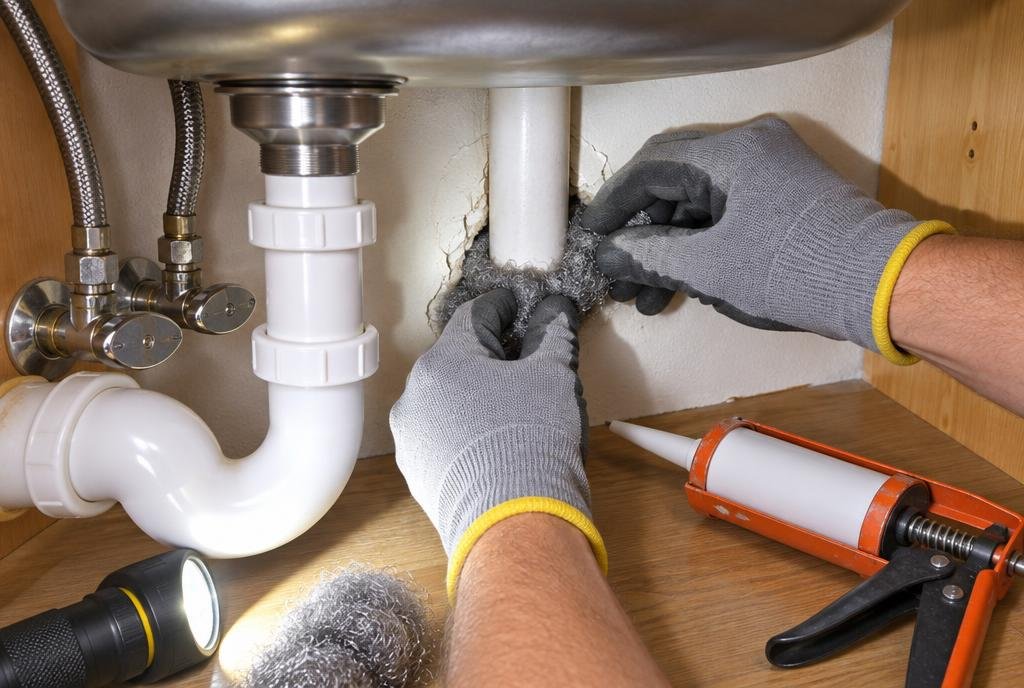
This is the most effective long-term step. Mice can squeeze through openings roughly the size of a dime. Seal gaps around pipes, cables, vents and doors with steel wool, caulk or expanding foam. Add door sweeps and repair torn window screens.
2. Remove food sources
- Store food, including pet food, in sealed containers.
- Wipe up crumbs and spills promptly.
- Don’t leave dirty dishes out overnight.
- Use trash cans with tight lids and take garbage out regularly.
3. Remove water sources
Fix leaky faucets and pipes, and don’t leave standing water in sinks, pet bowls overnight, or under appliances. Cockroaches in particular need water.
4. Reduce clutter and hiding spots
Cardboard boxes, stacks of paper and clutter in basements and garages give pests shelter. Use plastic bins with lids instead.
5. Use proven control methods
Snap traps for rodents and baits for roaches and ants are widely recommended by pest control experts. Follow label directions carefully, and keep traps and baits away from children and pets.
6. Call a professional for infestations
Signs like droppings, gnaw marks, nests, daytime sightings, bed bugs or termites call for a licensed pest control professional.
The bottom line
Ultrasonic pest repellers are not a proven solution, and they’re unlikely to fix an established infestation on their own. They’re easy and chemical-free, so some people use them as an extra layer of prevention — ideally with a money-back guarantee. The real keys to a pest-free home remain the same: seal entry points, remove food and water, reduce clutter, and use proven control methods when needed.
Frequently asked questions
Do ultrasonic repellers work on mice?
Evidence is mixed. Mice may avoid the area initially but often return once they get used to the sound.
Do they work on roaches?
Many studies have found little or no effect on cockroaches.
Can ultrasonic repellers go through walls?
No. Ultrasound is blocked by walls, furniture and other obstacles.
